
About our owner's representation and construction management practice
The experience behind Crossroads
Commercial-grade discipline and owner-side perspective, applied to every project we take on.
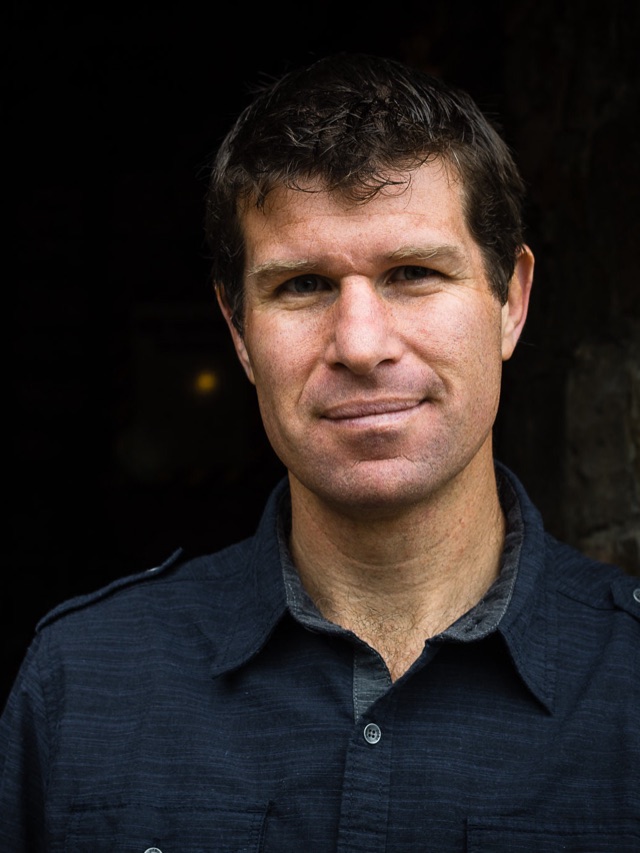
Sean Ranney grew up in Sonoma County building homes in his family's construction business—on job sites before he could drive. He earned a civil engineering degree from Cal Poly, then spent a decade as a project manager with Deacon Construction, delivering multifamily and commercial projects up and down Northern California.
From there he joined Buzz Oates, one of Sacramento's largest industrial/commercial development firms, where over nearly fifteen years he rose to Director of Preconstruction and Estimating—the person responsible for knowing what a project should cost, where it could go wrong, and how to set it up so it didn't. Buzz Oates doesn't build to sell—it develops projects, primarily concrete tilt-up warehouses, that it will own and operate for decades. Sean's experience there spans the complete lifecycle of a project from the owner's side of the table—land purchase, entitlement, development, and construction, through leasing and ongoing asset and property management. It's a perspective most builders never get: when you own what you build, a project isn't judged by how it was constructed but by how well the building works—for the operations it houses and the people who use it, every day, for decades. That focus on the usability of the building, not just the construction of it, runs through every project Crossroads takes on.
Along the way, Sean has run his own contracting company, served as an owner's representative on commercial projects, and developed and built projects on his own land. He is a California licensed real estate agent (CA DRE #01892135).
He has sat in every chair on a construction project—the builder's, the engineer's, the estimator's, the developer's, and the owner's. Crossroads exists to fill the gap between the owner's vision and the project details. The best decision an owner makes is bringing expertise to the table.
That background is why Crossroads doesn't operate in one lane. Commercial, industrial, multifamily, rural land, custom homes—Sean has estimated them, built them, entitled them, or owned them. What follows isn't a list of aspirations; it's a description of how he's worked for thirty years.
Contractors are experts at building. But on commercial and industrial projects, the result you're after is operational—how the building works for you matters more than how it gets built. We start by understanding your vision: not just what you want, but what you don't need. That's how we get you the project you want, without the cost of anything you don't.
Our roots are in large-scale commercial and industrial work—concrete tilt-up warehouse, industrial, and commercial projects throughout the North Bay and Central Valley, leading preconstruction, estimating, and project management at every phase. That discipline transfers directly to every engagement.